Within the Folds of the Cloak
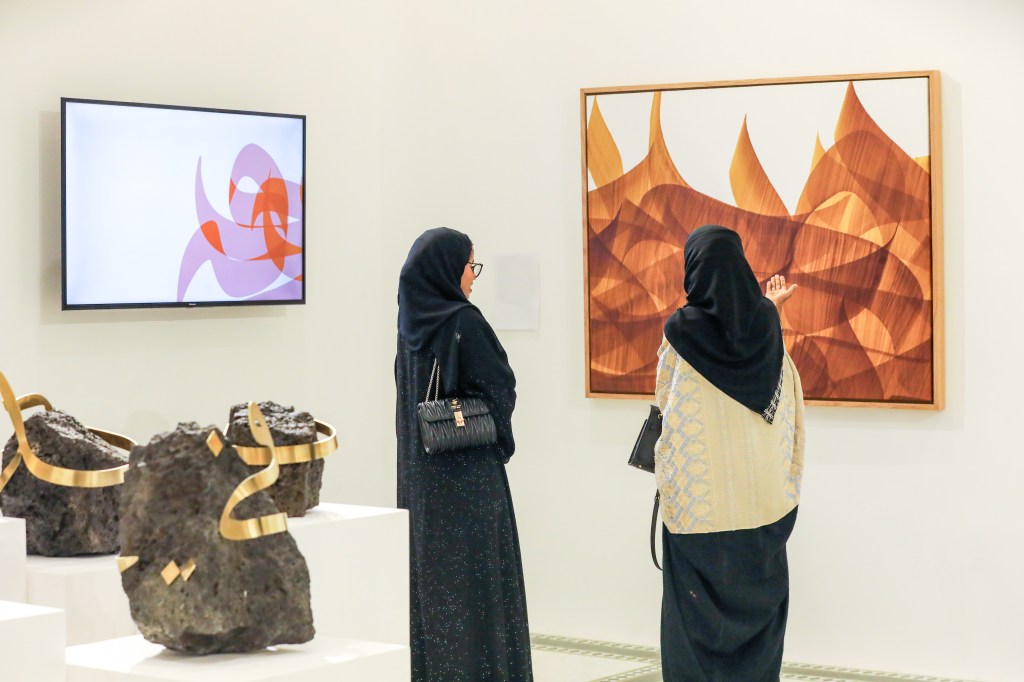
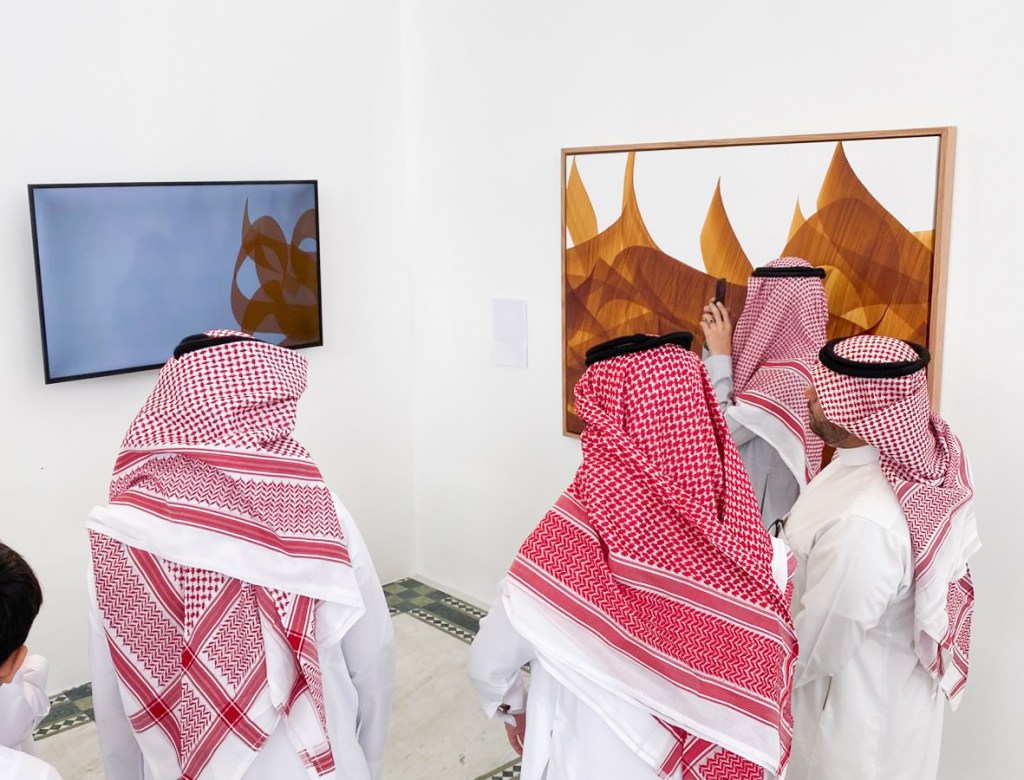
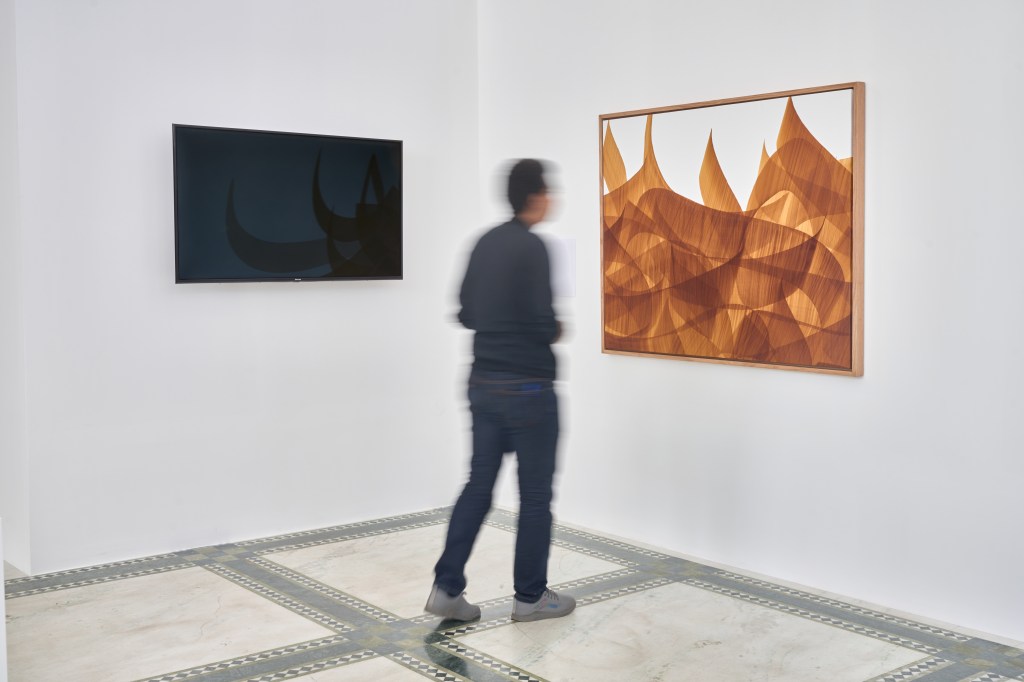
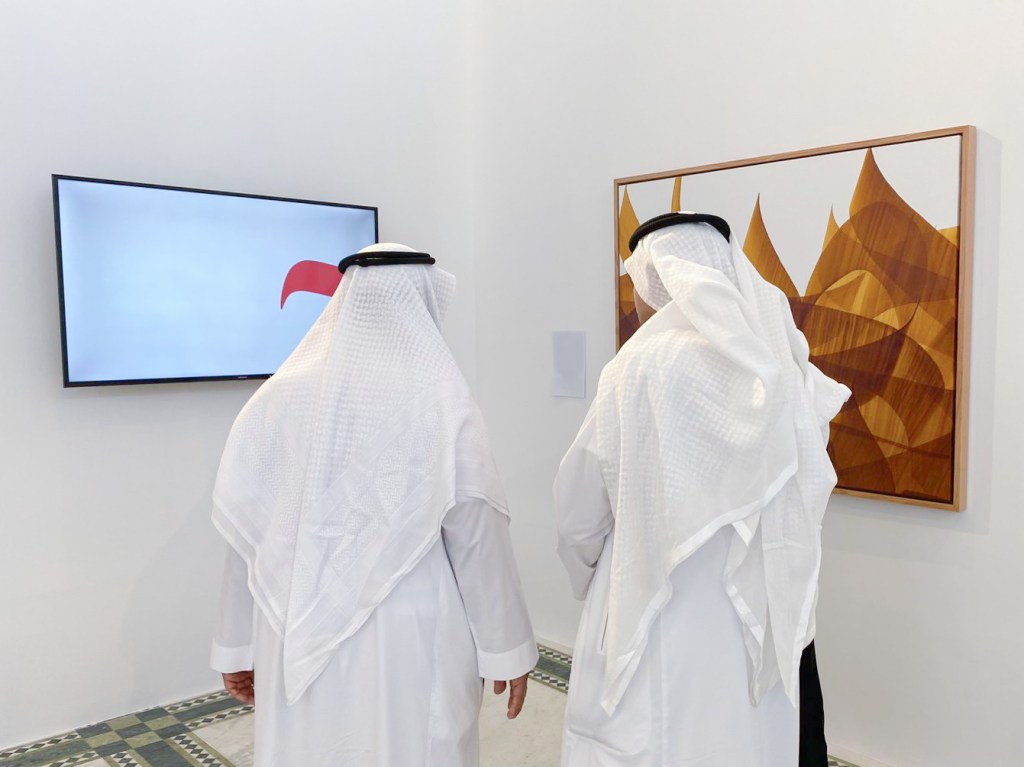
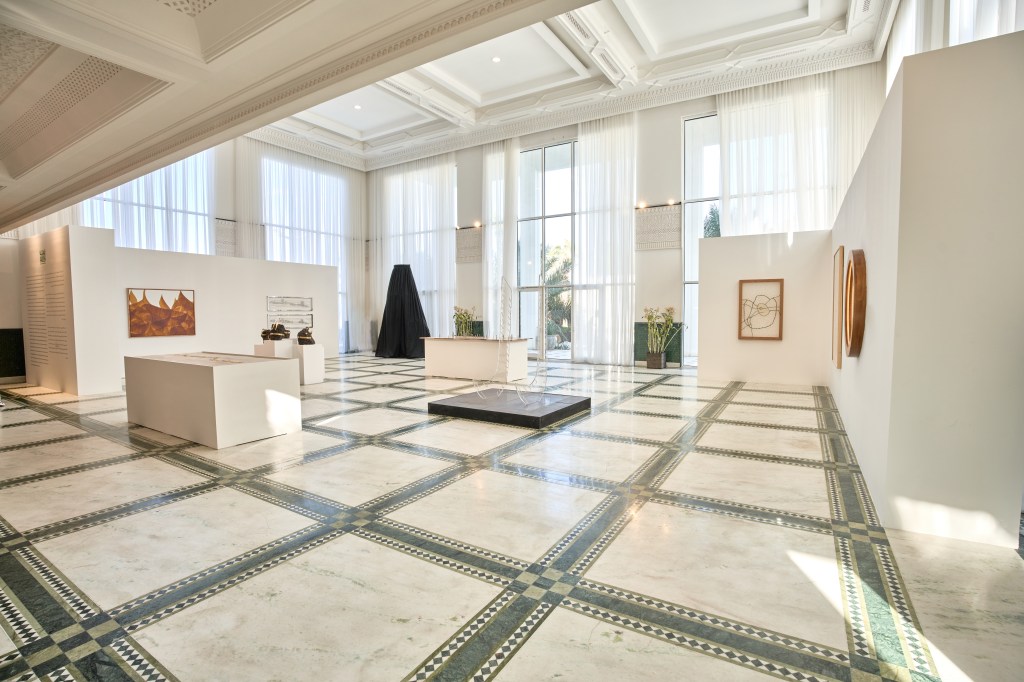
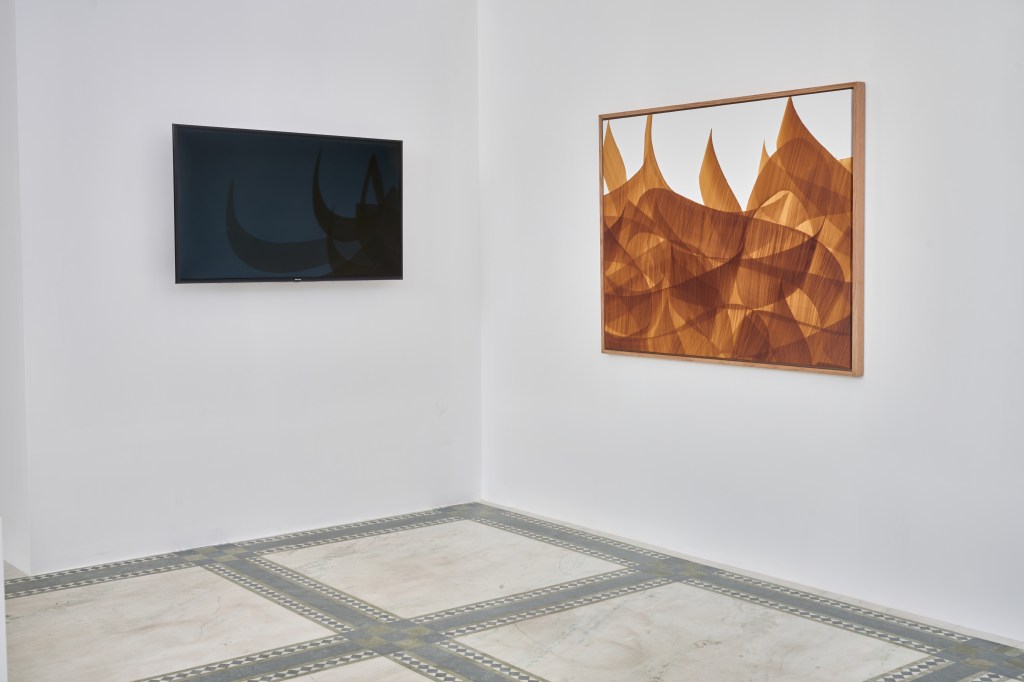
Do we always mean everything we say? Or do our emotions sometimes dictate our words? If we do intend our words, can our feelings influence the tone and manner of their delivery? This work explores the famous cloak of Ka’b ibn Zuhair, dedicated to the Prophet Muhammad. It delves into Ka’b’s emotions as he composed and recited his poem before the noble Messenger. The poem transitions through stages of praise, reflection, and fear. Was Ka’b’s praise of Su’ad at the beginning of the poem genuine, as is typical in Arabic poetry, or was it a metaphor for his life before and his longing for it? When he speaks of the desert and the camel, is he merely depicting the nature of life at that time, or is the desert a metaphor for the changes and difficulties he faced, with the camel symbolizing his endurance and resilience? His poem ultimately becomes a prototype for every subsequent poem in praise of the Prophet. Within the Folds of the Cloak is an artwork in which the artist weaves an additional layer—one that has yet to be told by highlighting these complex human emotions through the spirit of letters, the relationships between their components, and the interplay of their movements, colours, and effects across three panels. These panels visually echo the transitions within the poem, animated in a video segment to express the flowing emotions conveyed in Ka’b’s verses
Dar Al Qalam – Madinah – KSA – 2024
Emotional Strokes
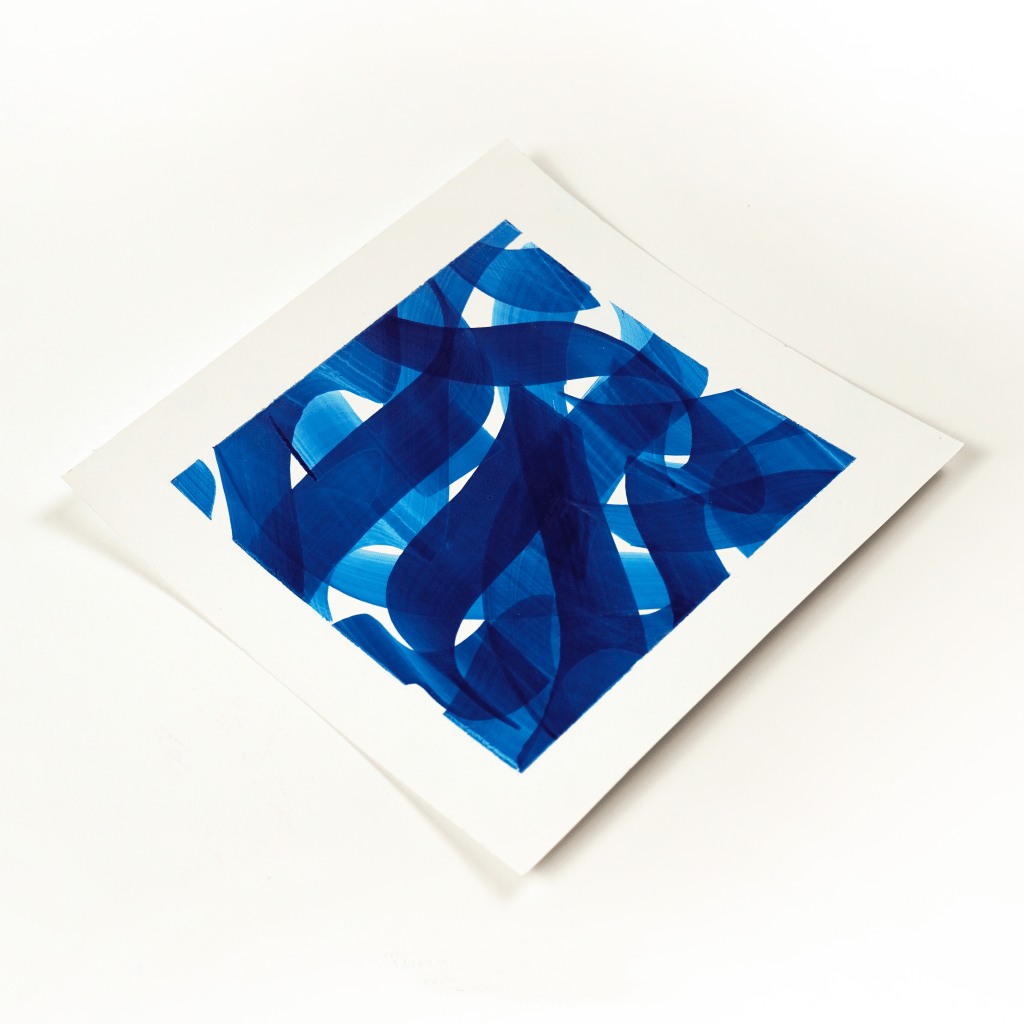
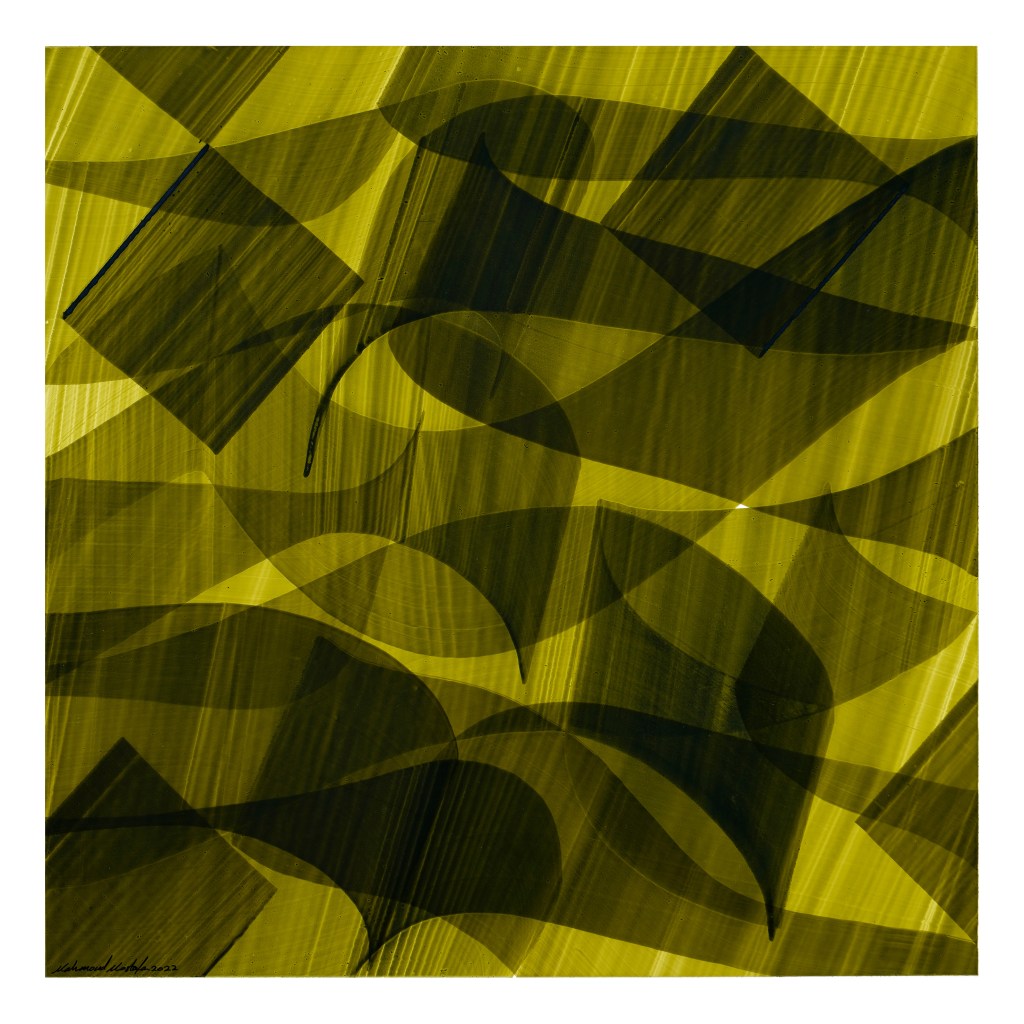
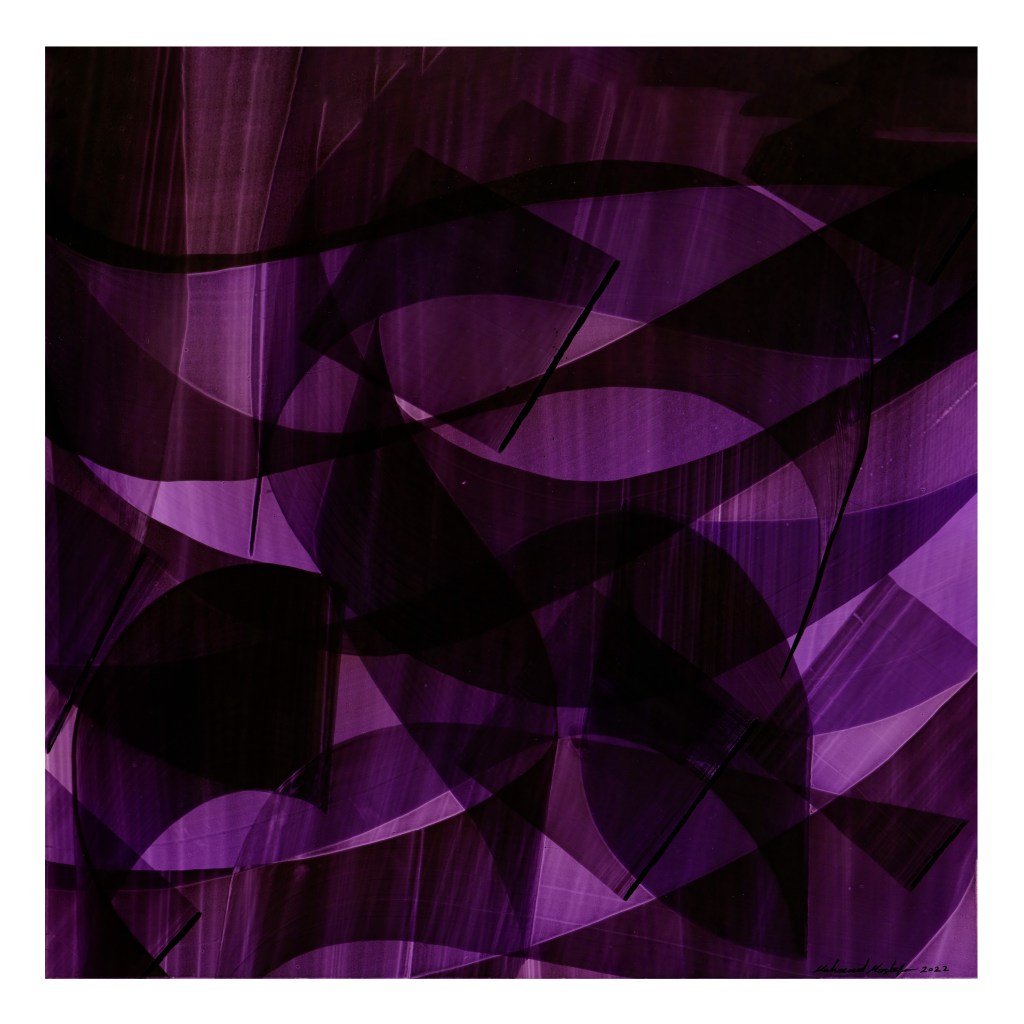
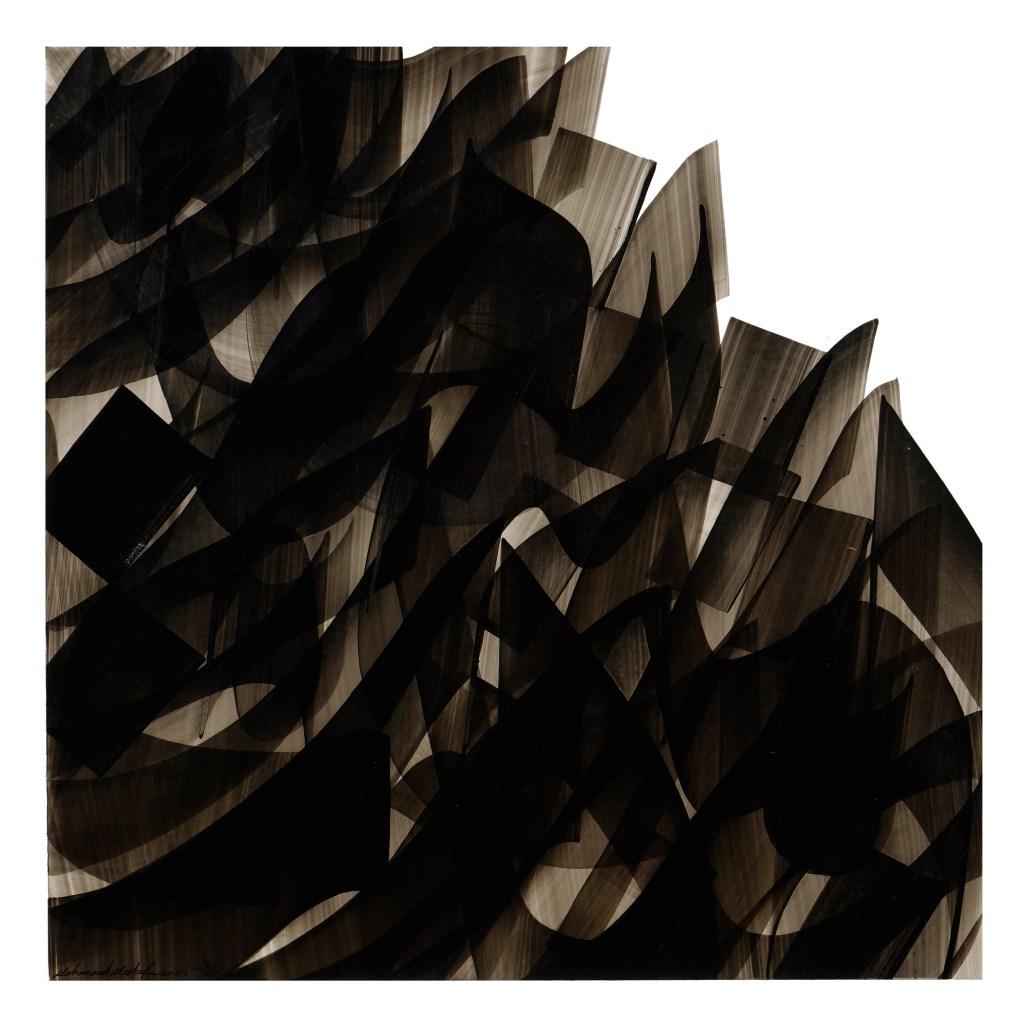
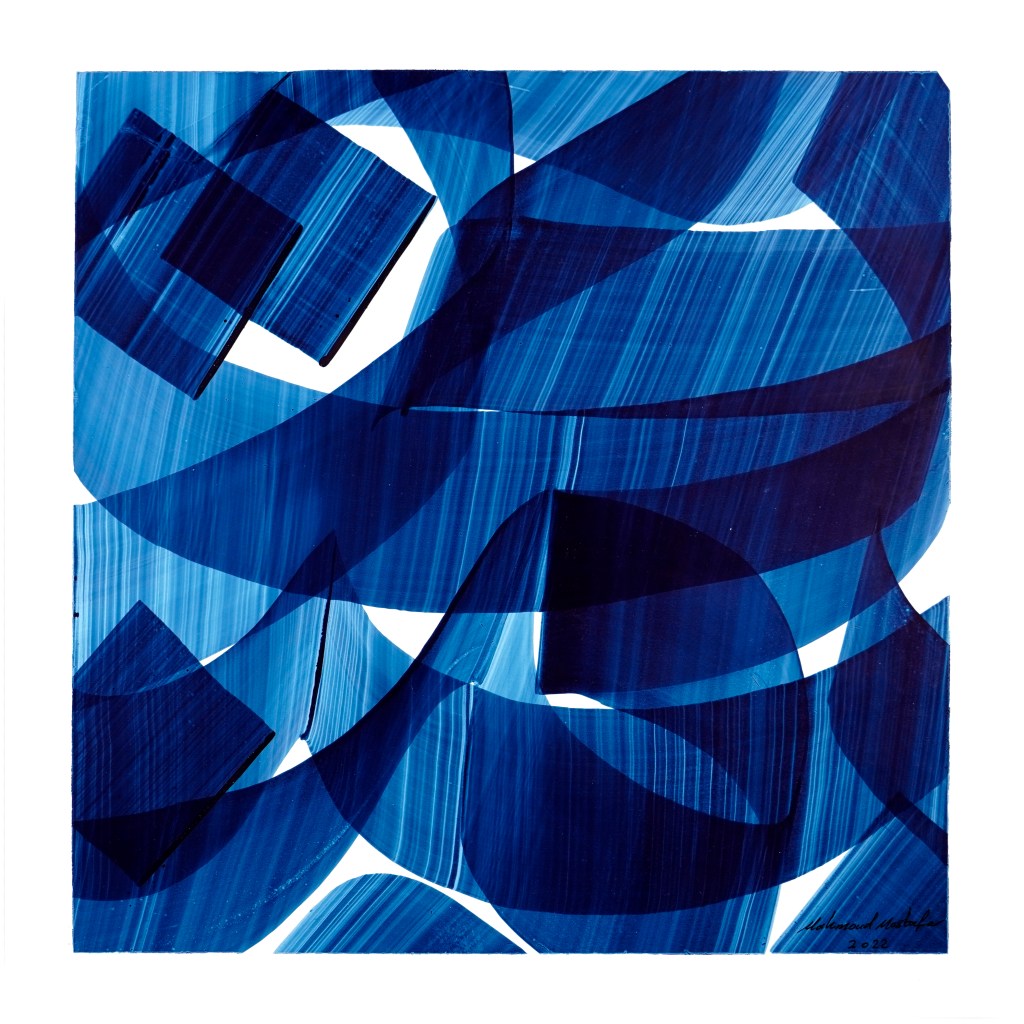
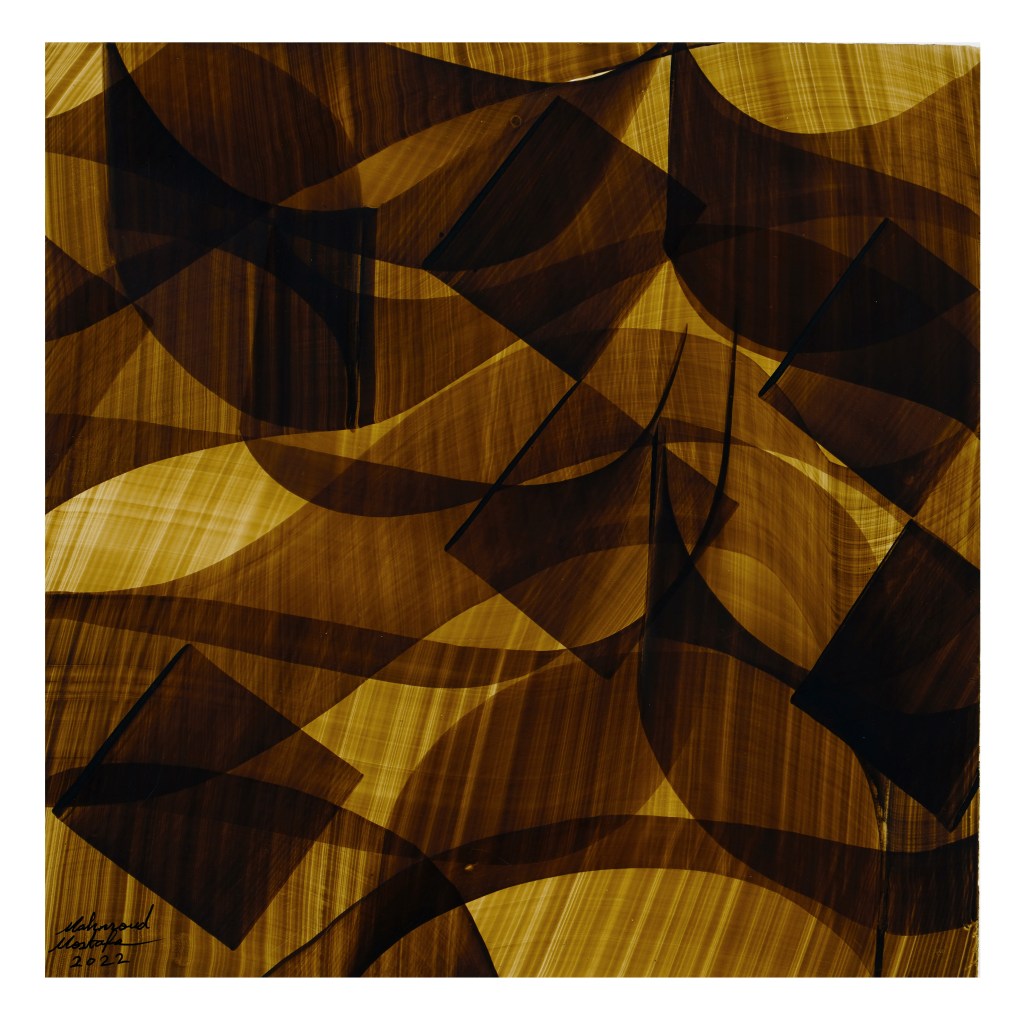
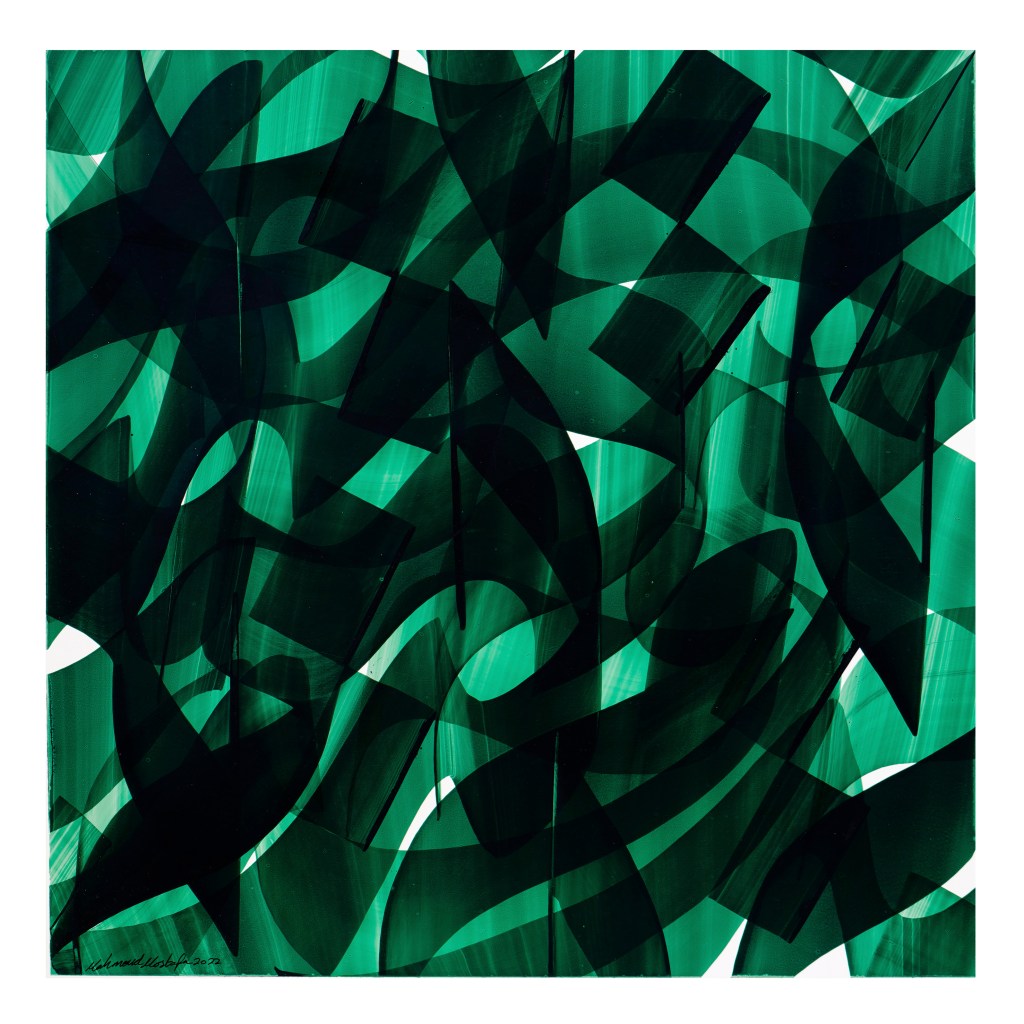
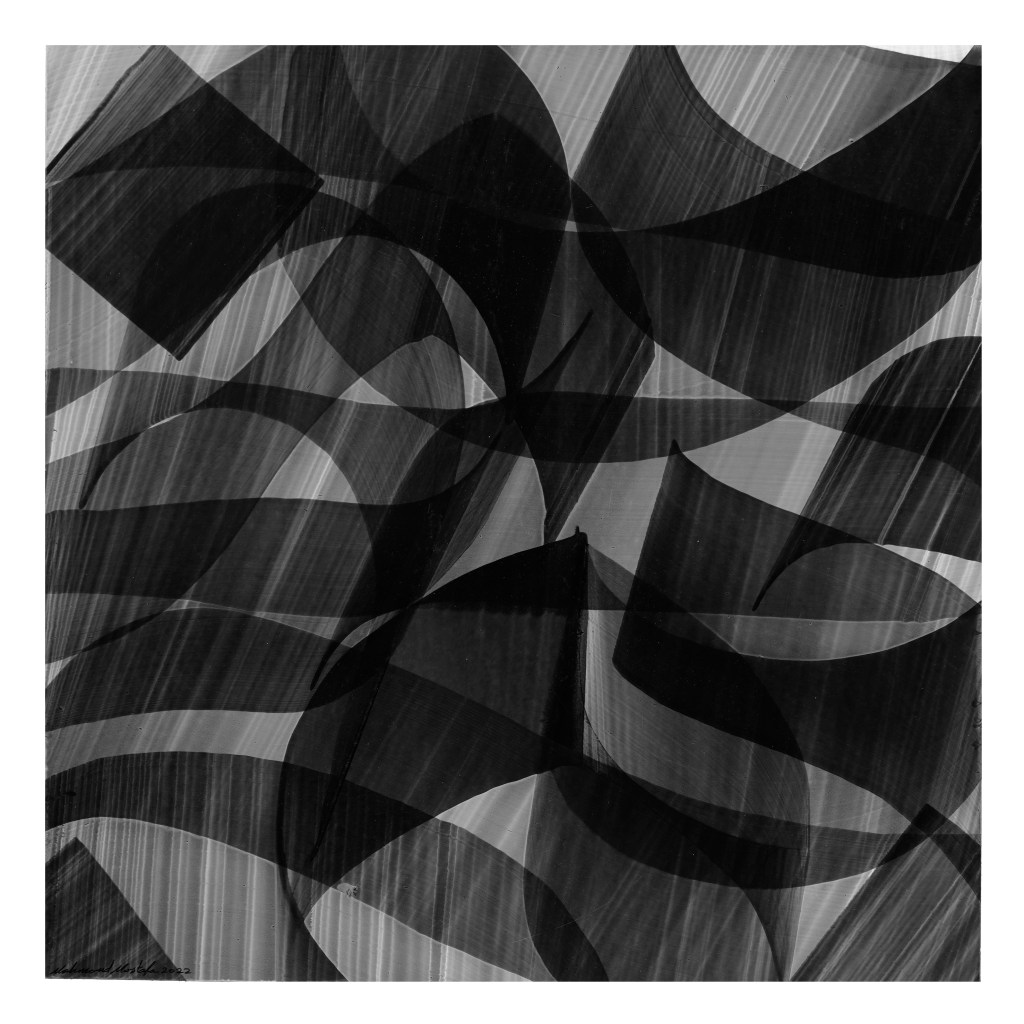
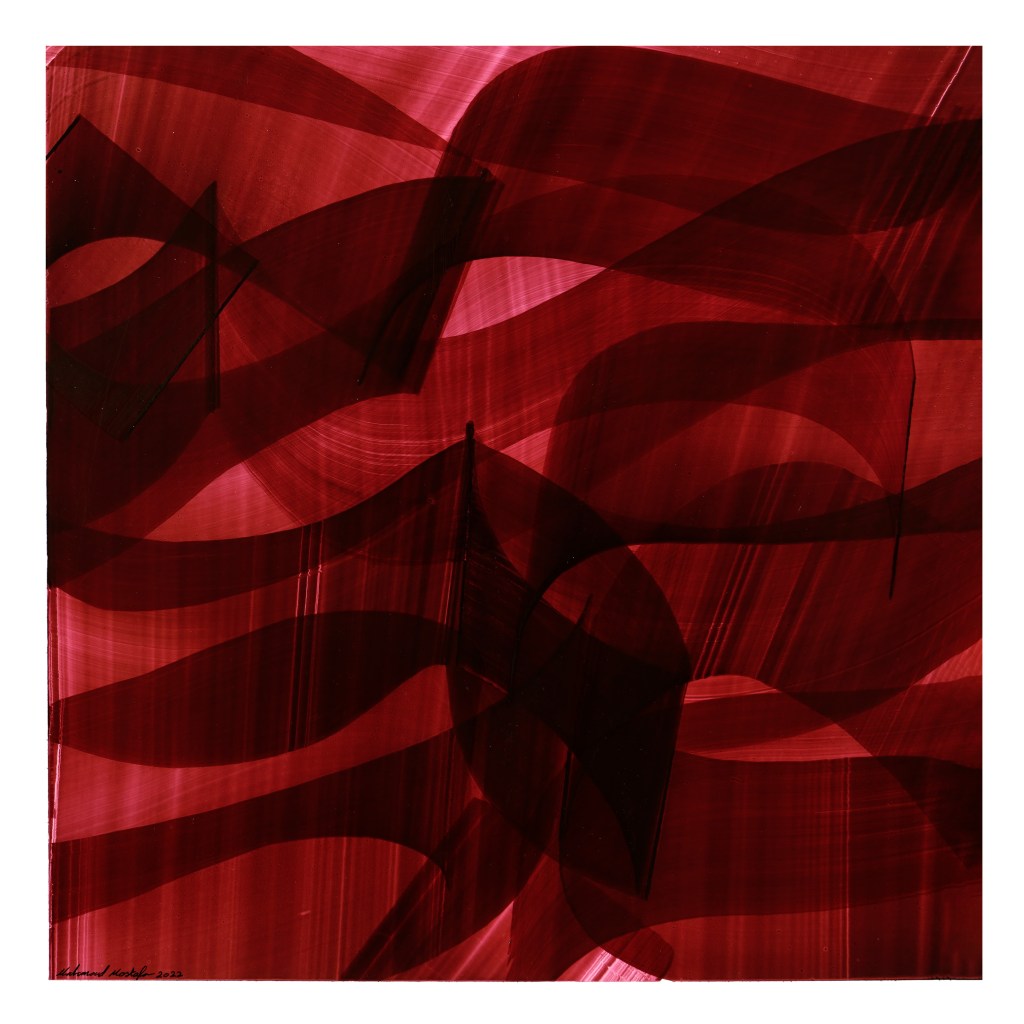
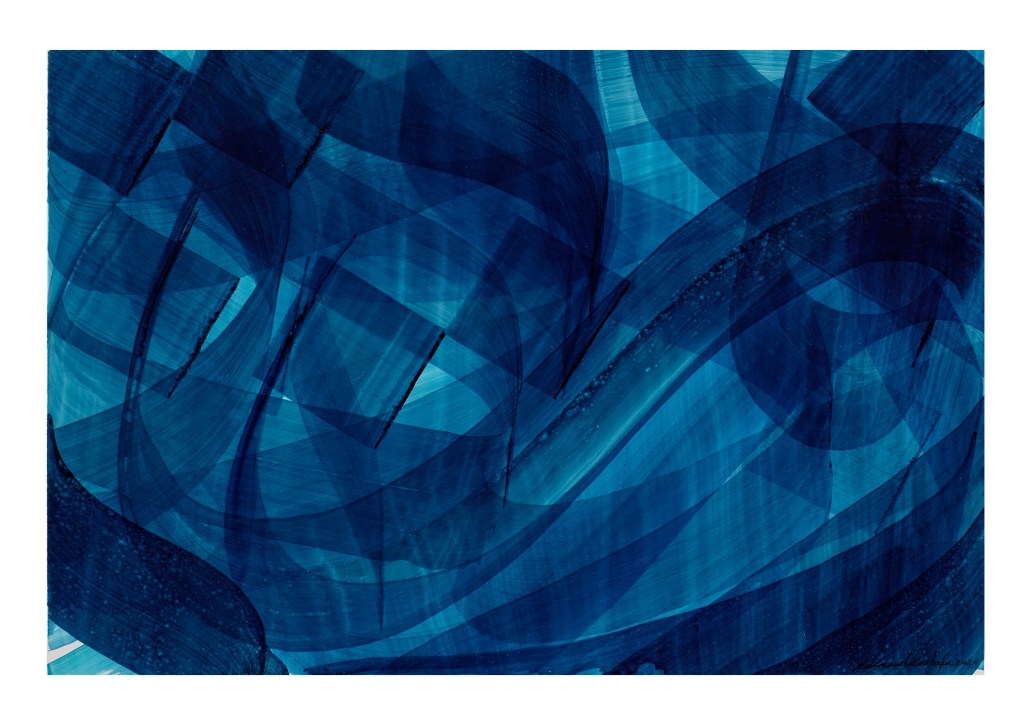
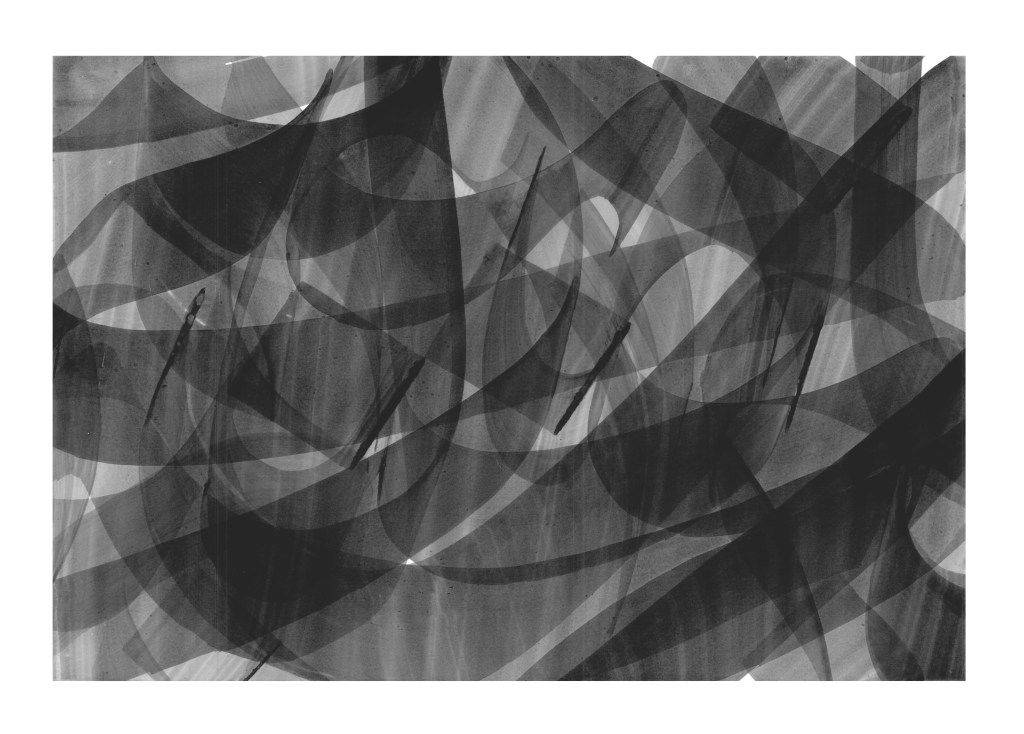
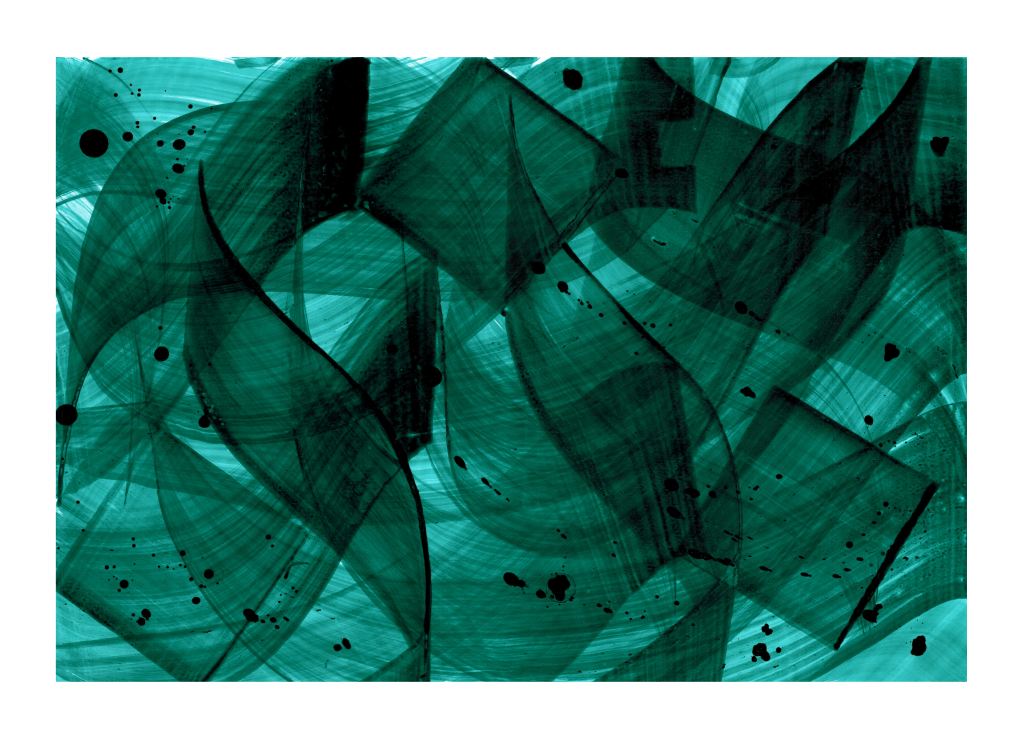
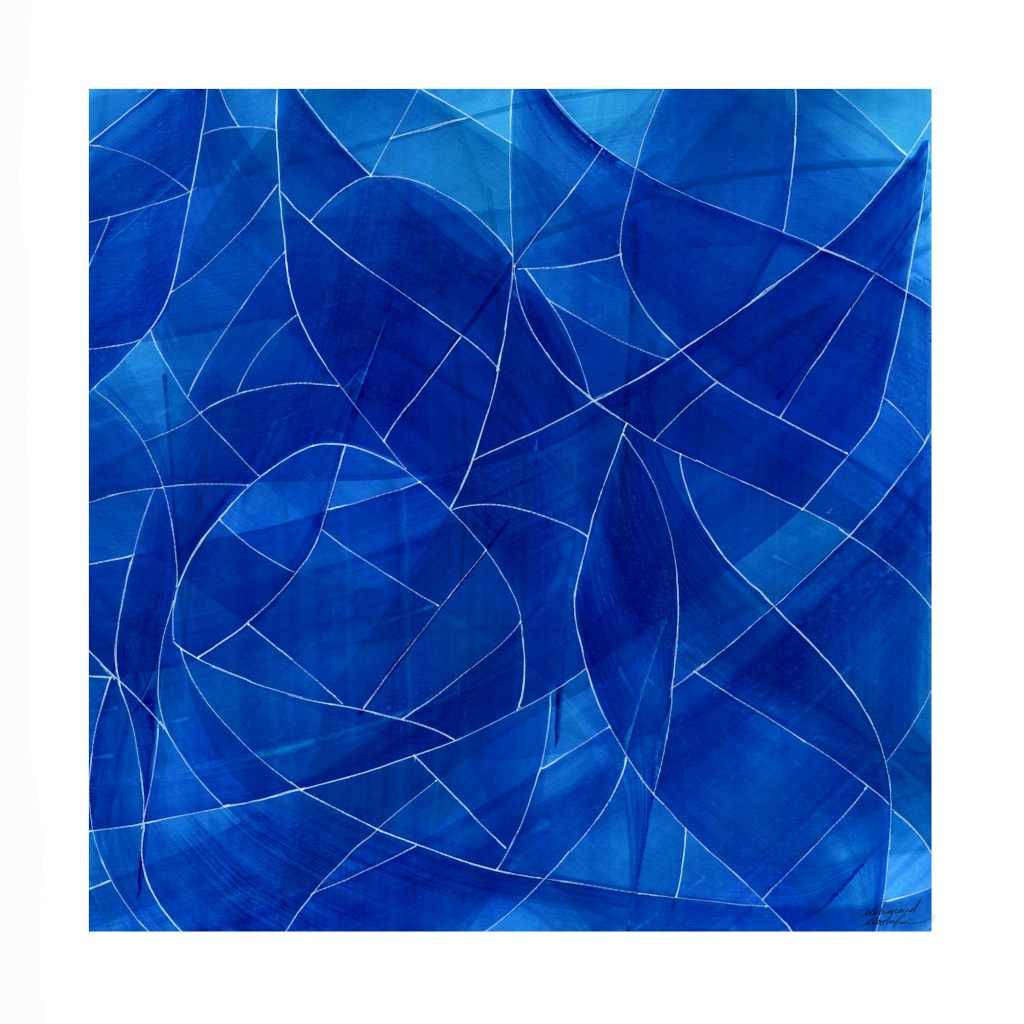
The Emotional Strokes Project is a collection of abstract paintings resulting from research-based work conducted during the first months of the Covid pandemic. Mahmoud Mostafa used the basic expressive tools of the calligraphy artist (namely ink, paper, and pen) to explore and capture the different psychological and sensory states he passed through during the period of isolation.
The Emotional Strokes Project is an attempt to demonstrate how the strokes made by the calligrapher may be not simply a craft but can convey emotions and ideas in a very powerful and artistic way. The direct connection between the soul, the hand, and the qalam is here thought of as a privileged channel of expression for the inner self of the artist.
Colours, shades, and pen movements spontaneously express the emotional balance or turbulence of the artist at the moment of writing. Some of the artworks are constructed based on a stratification work, the many layers expressing the deepness and complexity of the human soul.



Transmission
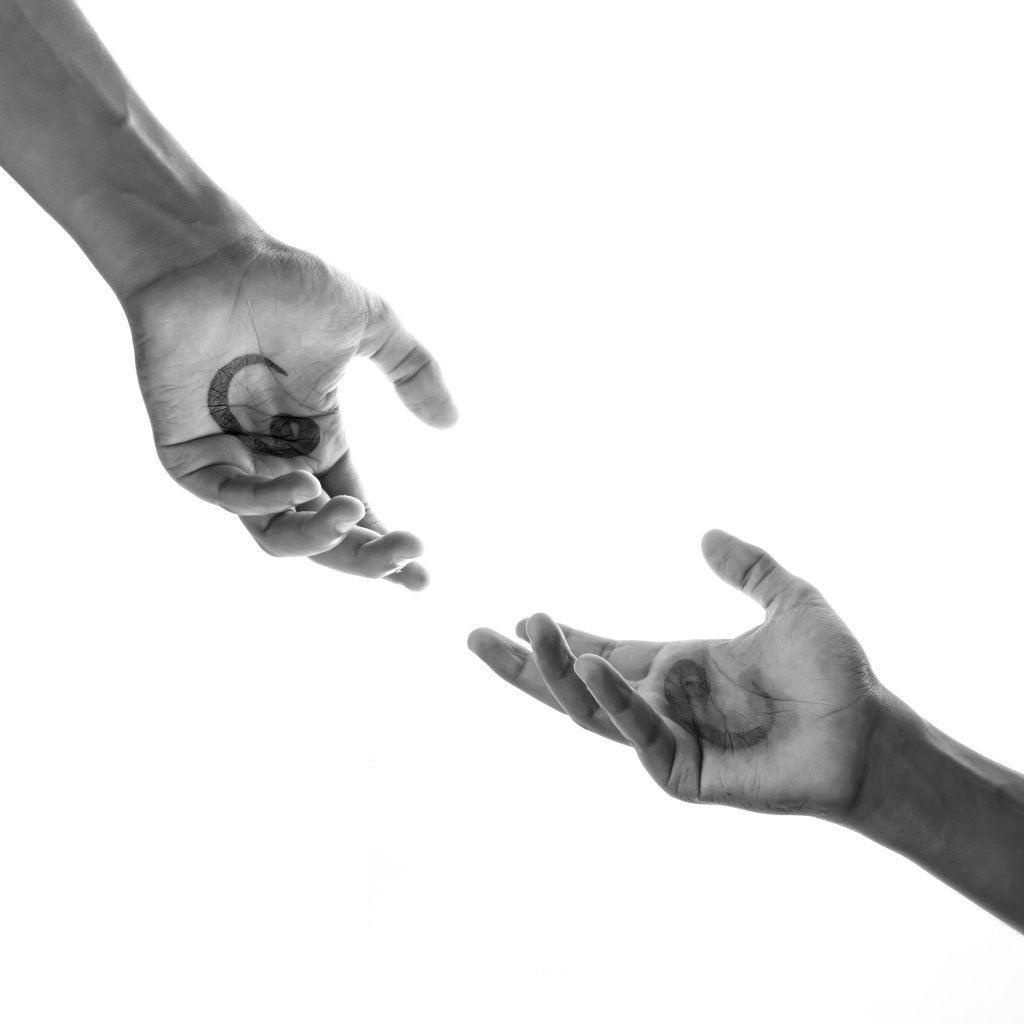
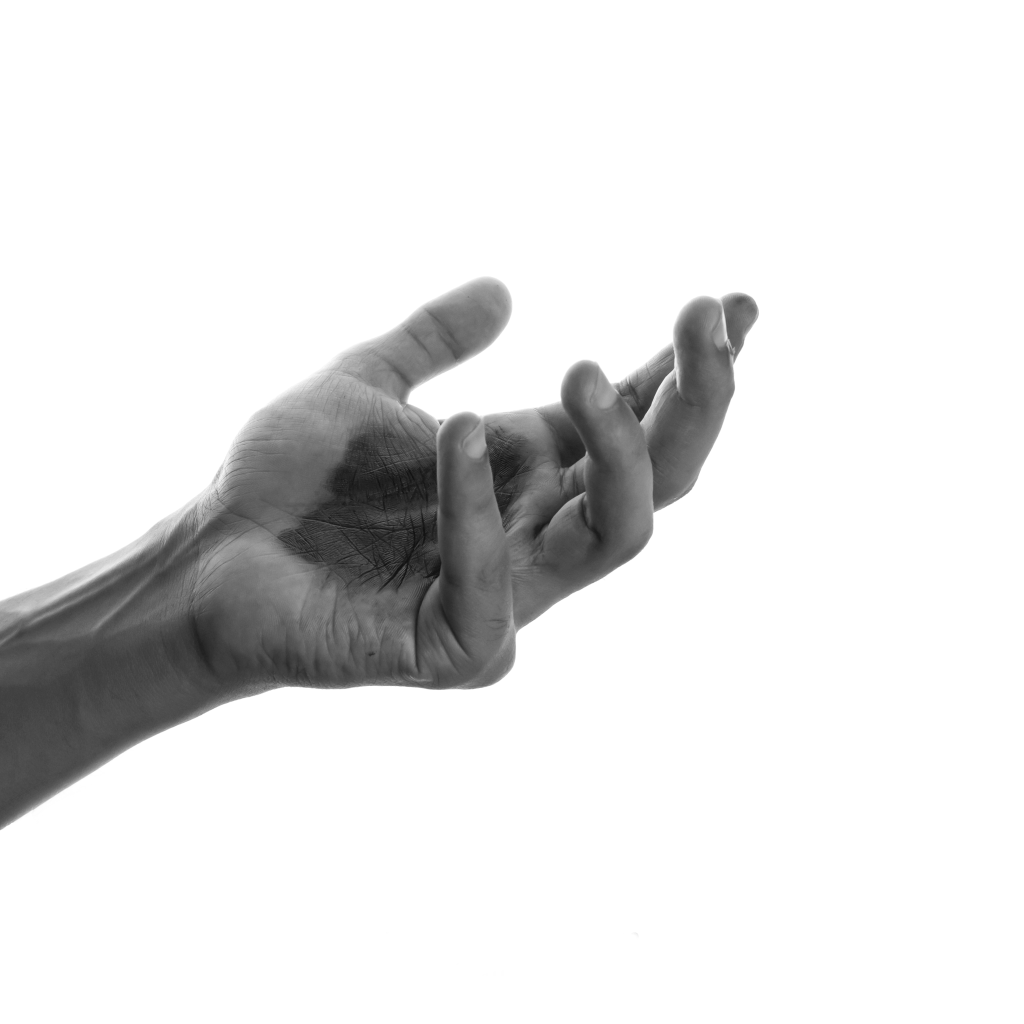
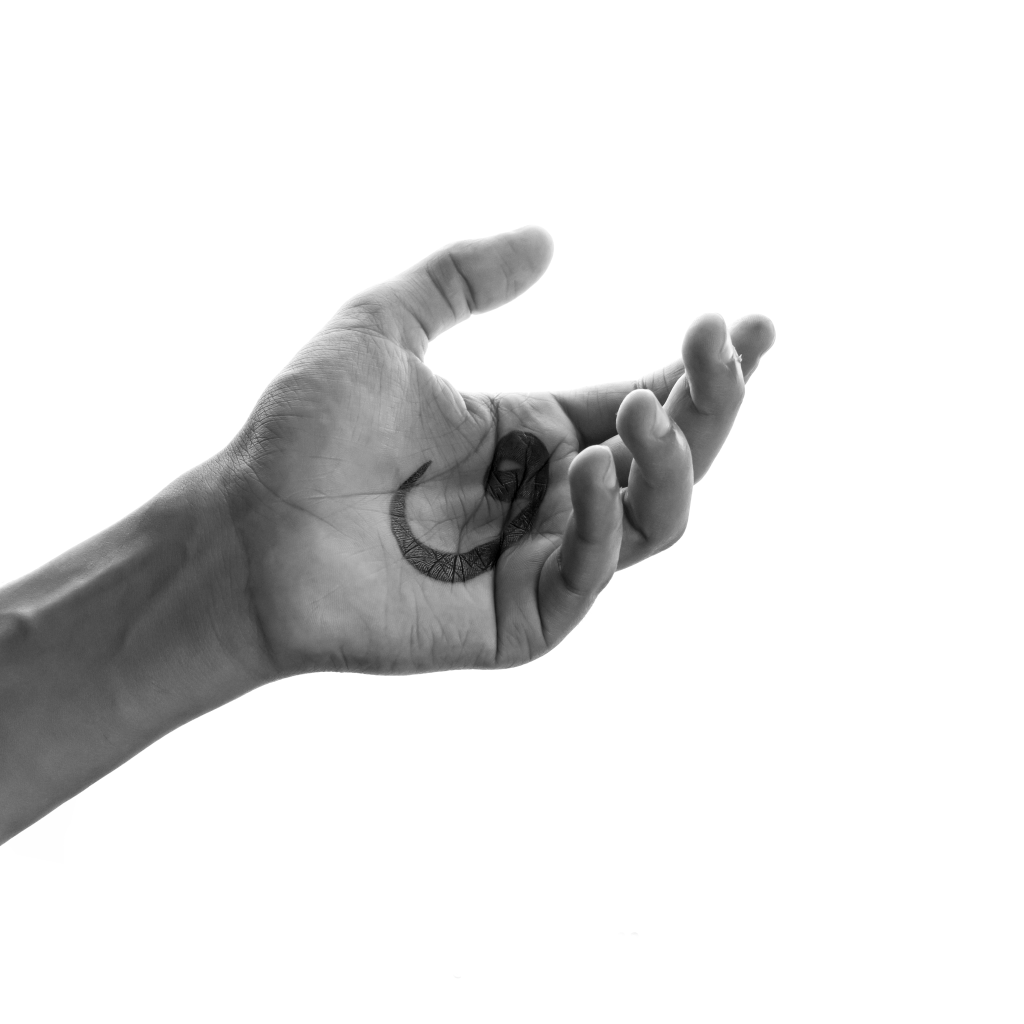
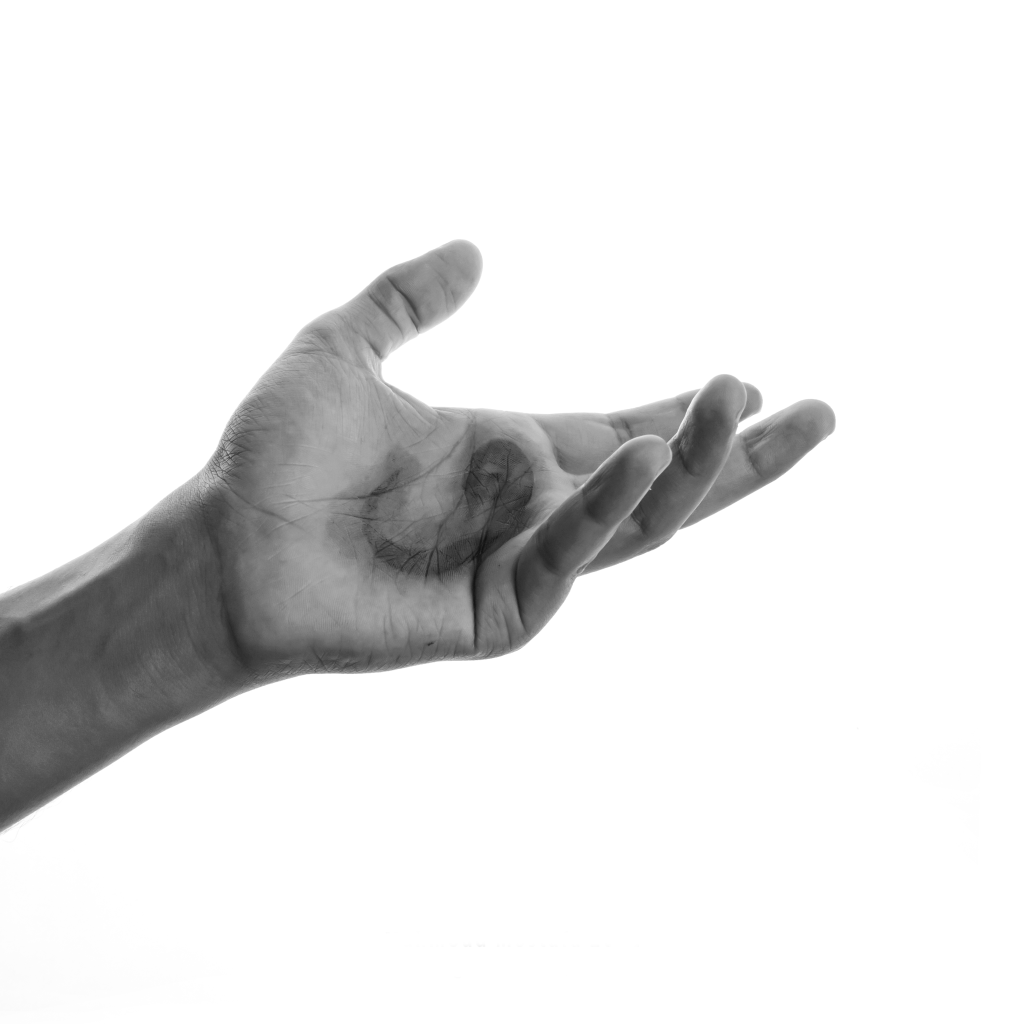
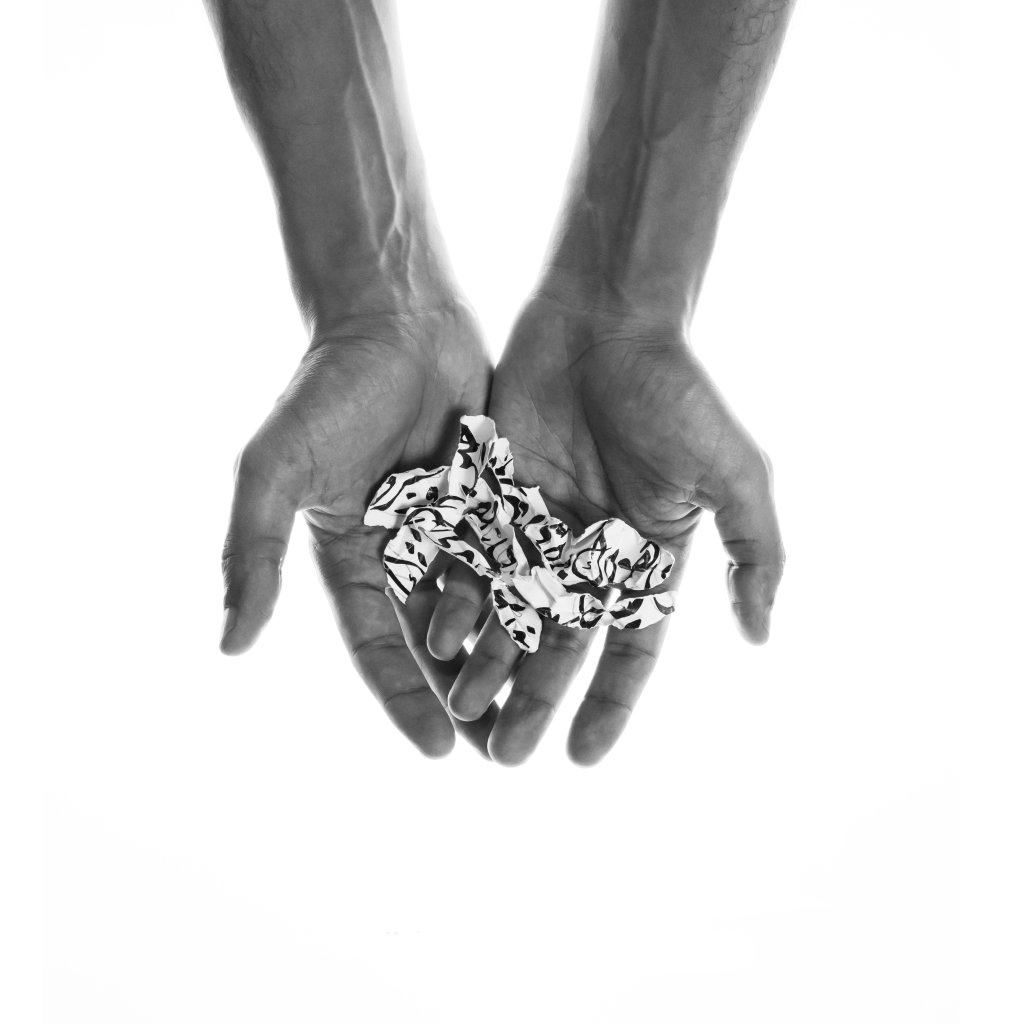
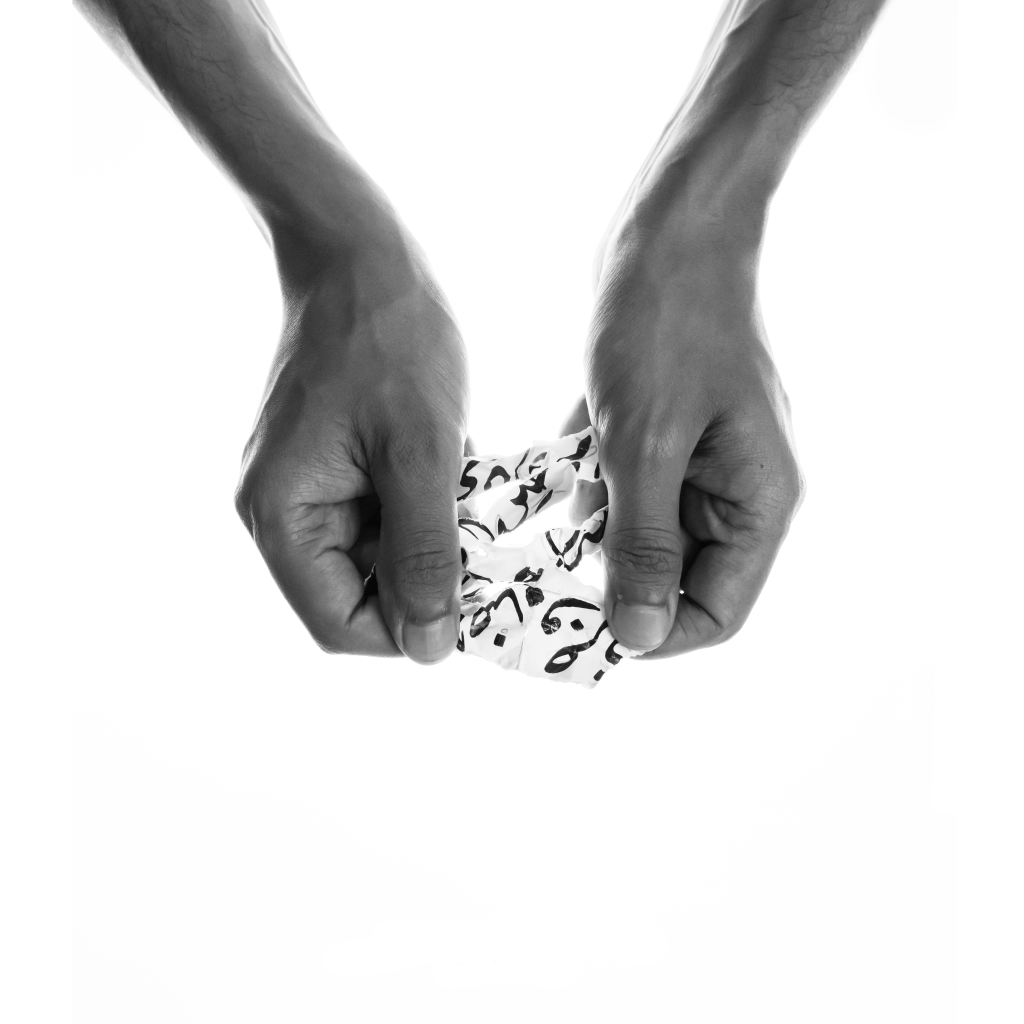
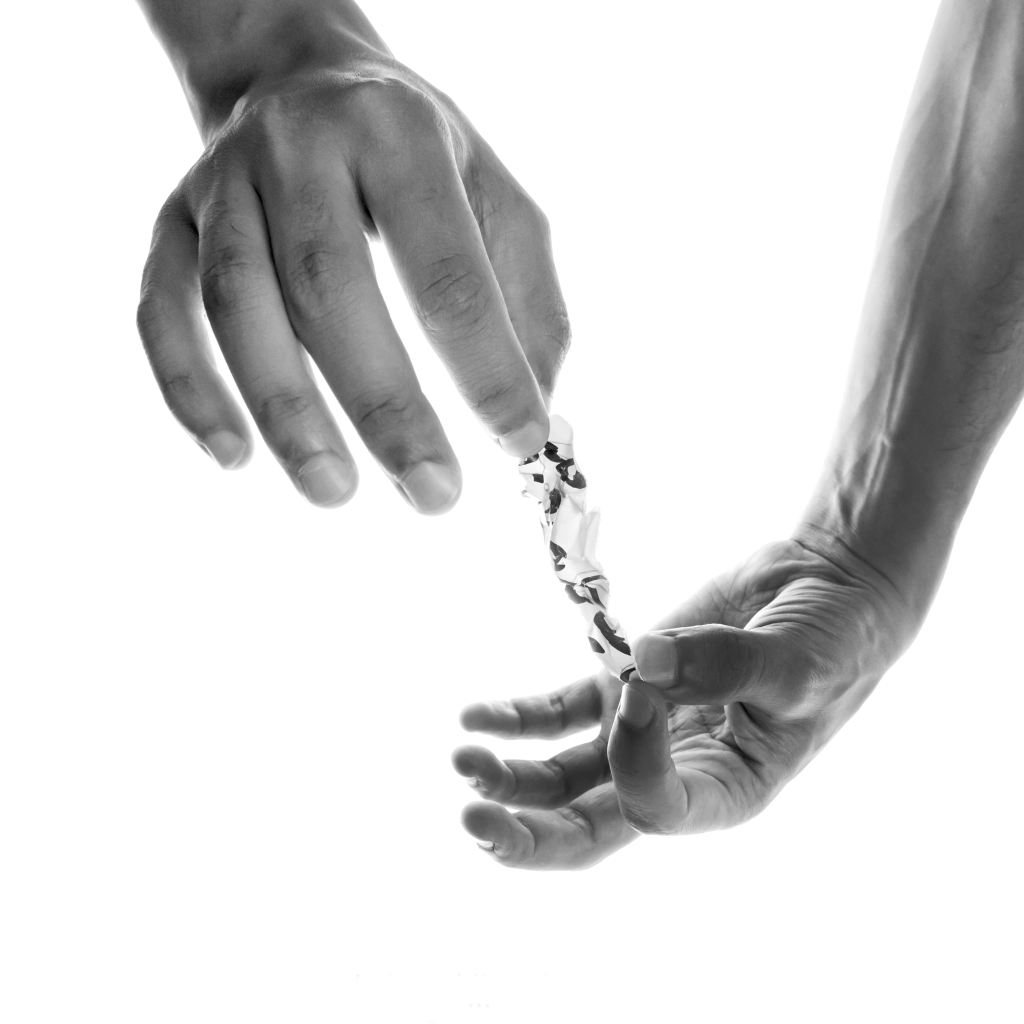
Where stands the limit between the artist’s body and his artwork? How does the soul flow on the paper during the process of creation?
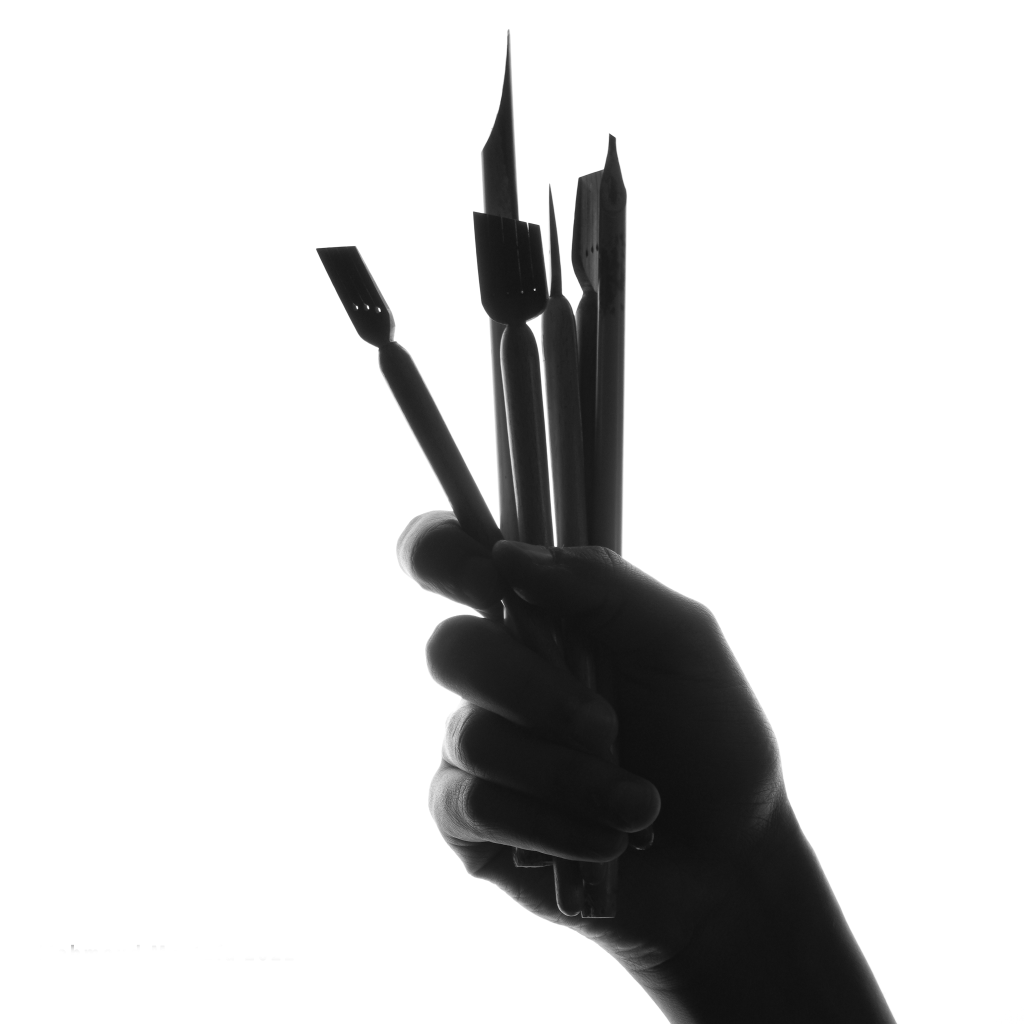
In this series of photographs, Mahmoud Mostafa explores the deepness of the transmission process that occurs during the act of creation: from the soul to the brain, from the brain to the body, from the body to the ink flowing on the paper. Brain, heart, breath, arms, hands, fingers, and tools: the act of creation involves the whole body as well as a whole being.
The photographs probe the connections between the spiritual, the intellectual, and the emotional on one side, the body and the physical on the other side, and the material production as a result of the interactions between all of these elements. It sheds light on the moments of transmission and interface points that appear during the production process: what lies between the body of the artist and the production of this body, what produces, and what is produced? It questions the body of the artist and his tools and their importance in the creative activity, as the body of the artist remains the necessary transmission channel that allows the artist’s soul and mind to interact with the external world.
2022
Modern calligraphy
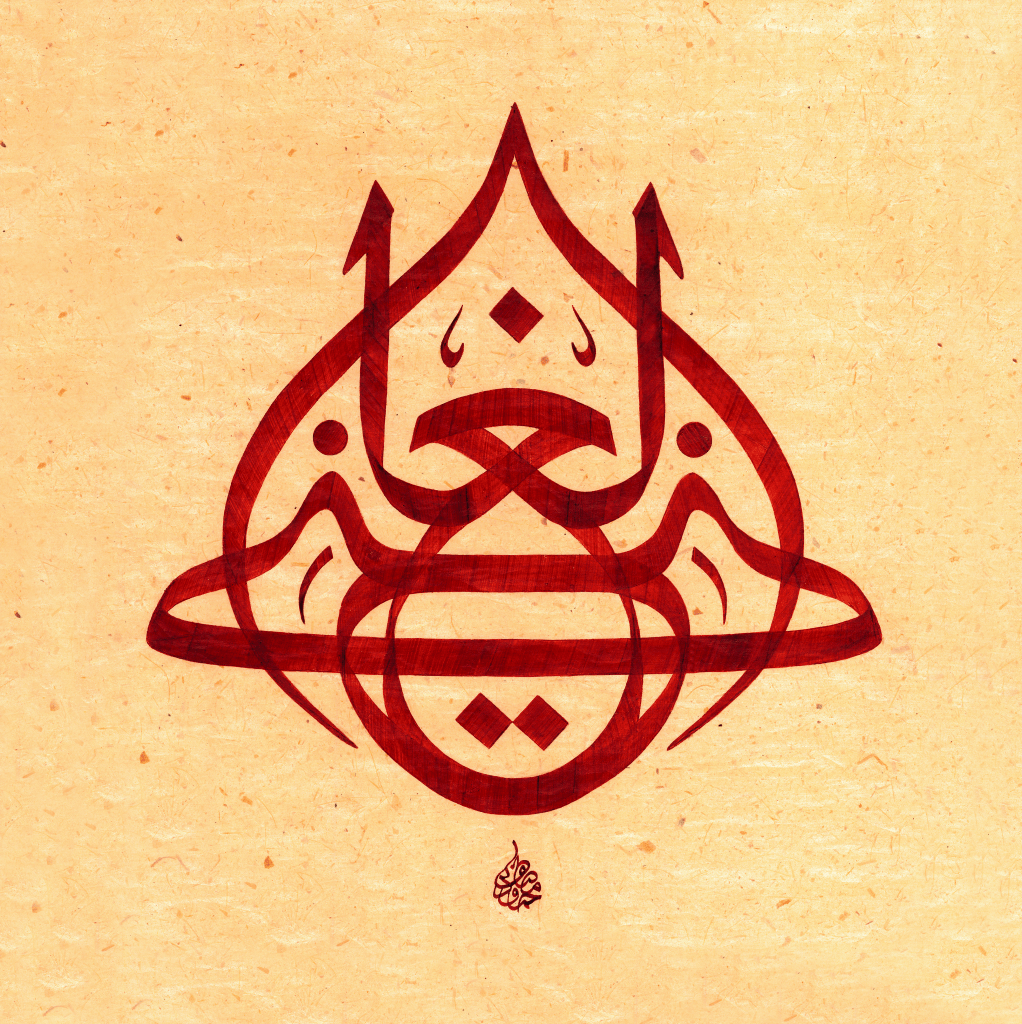
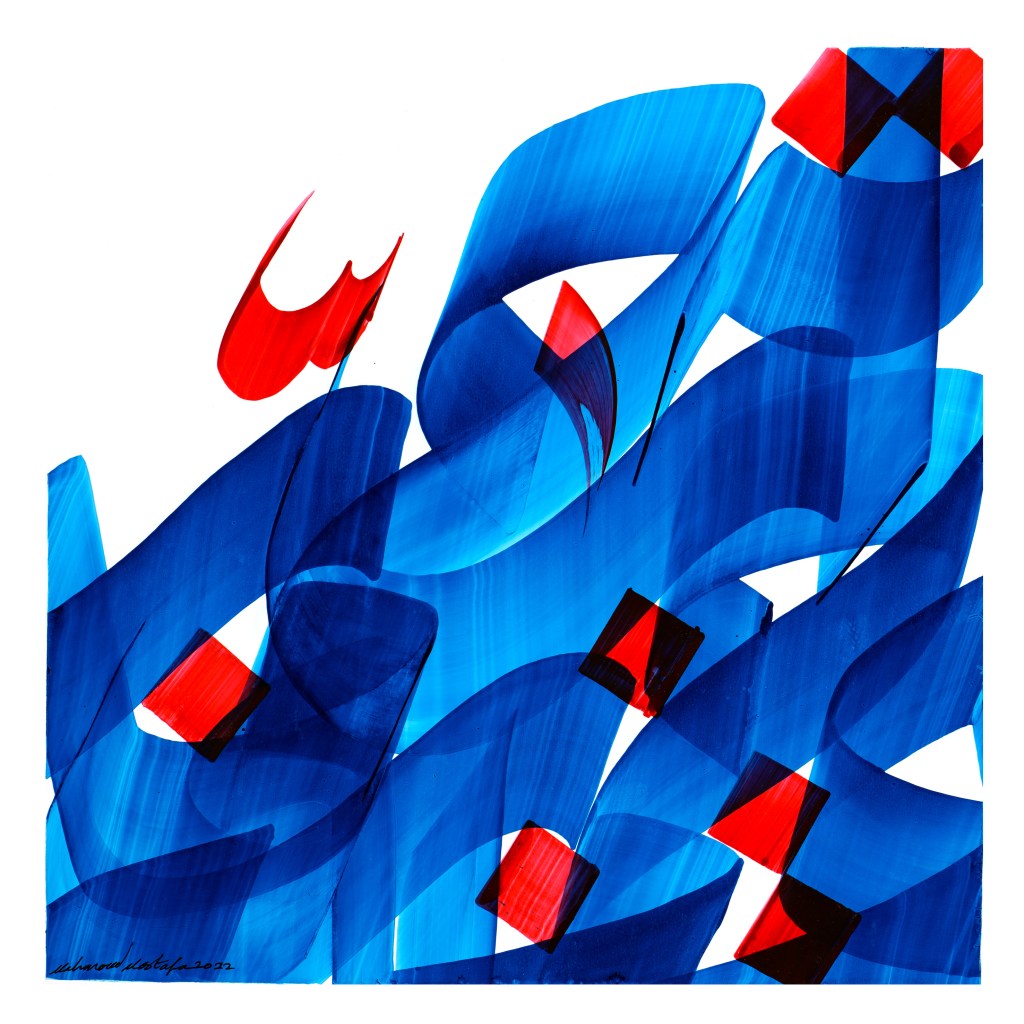
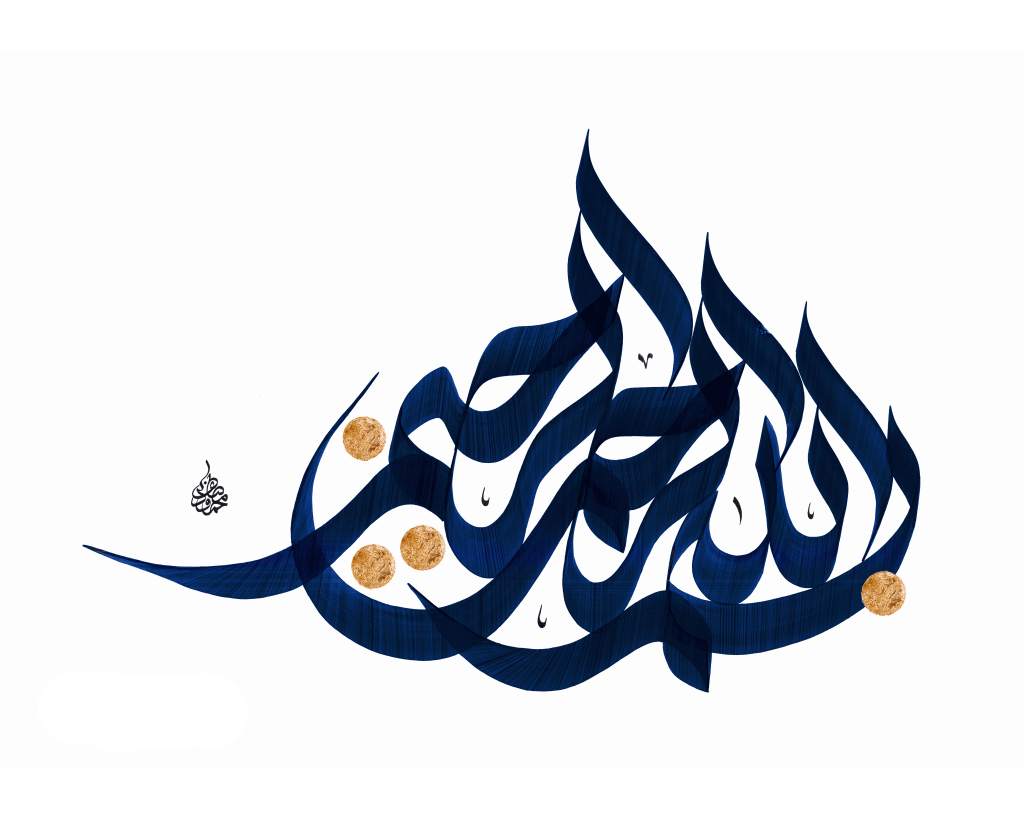
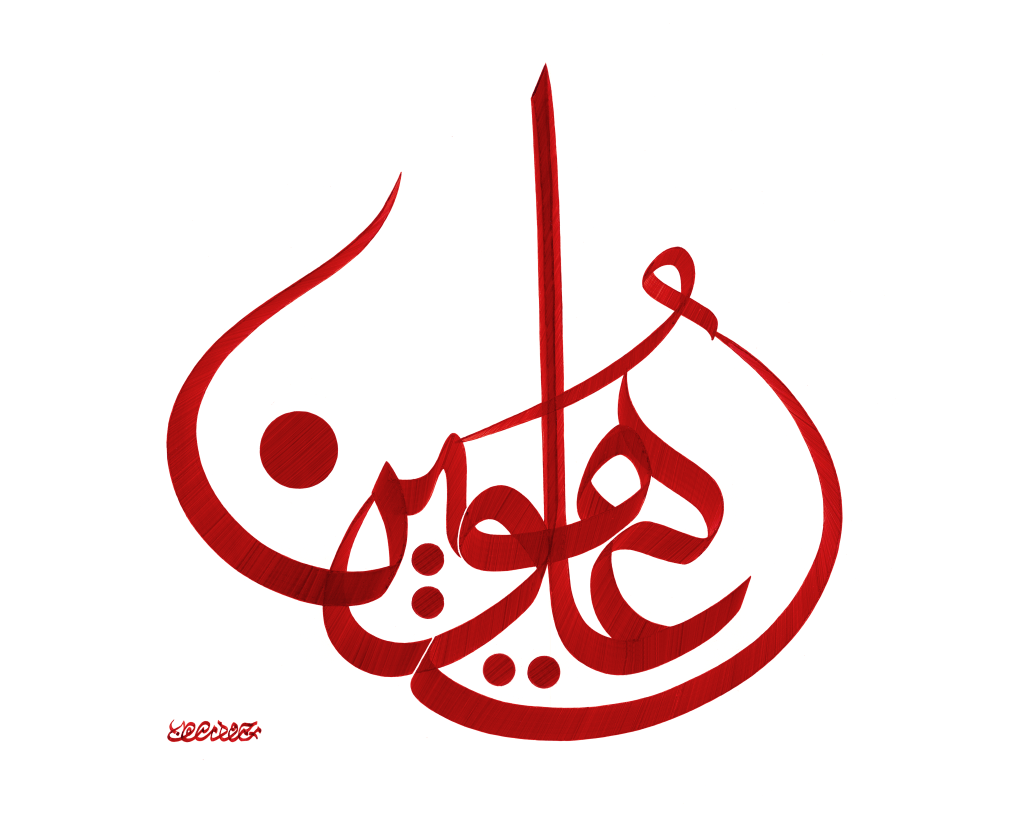
Throughout his artistic journey, Mahmoud Mustafa explores the endless possibilities of Arabic calligraphy to convey emotions through expressive strokes and a colourful palette. Playing with the rules of classical calligraphy, this series of works aims to bring together the sacred practice of calligraphy and contemporary abstract art. The practice of calligraphy, rooted in Arabic culture and history, thus became a universal language.


Classic calligraphy
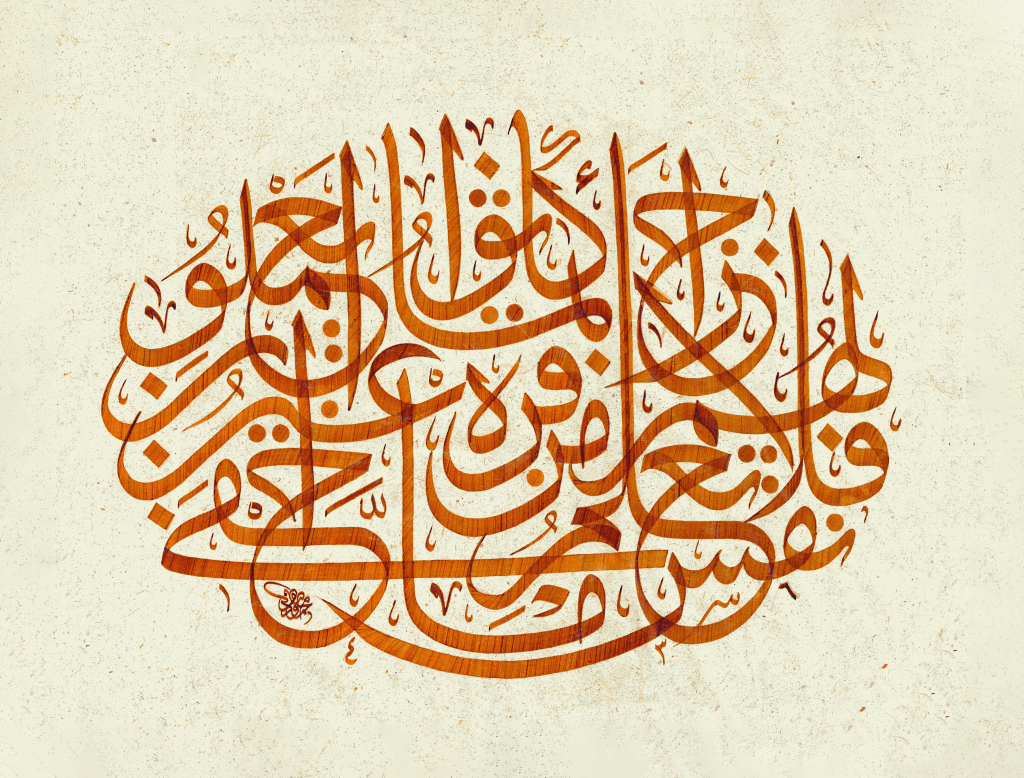
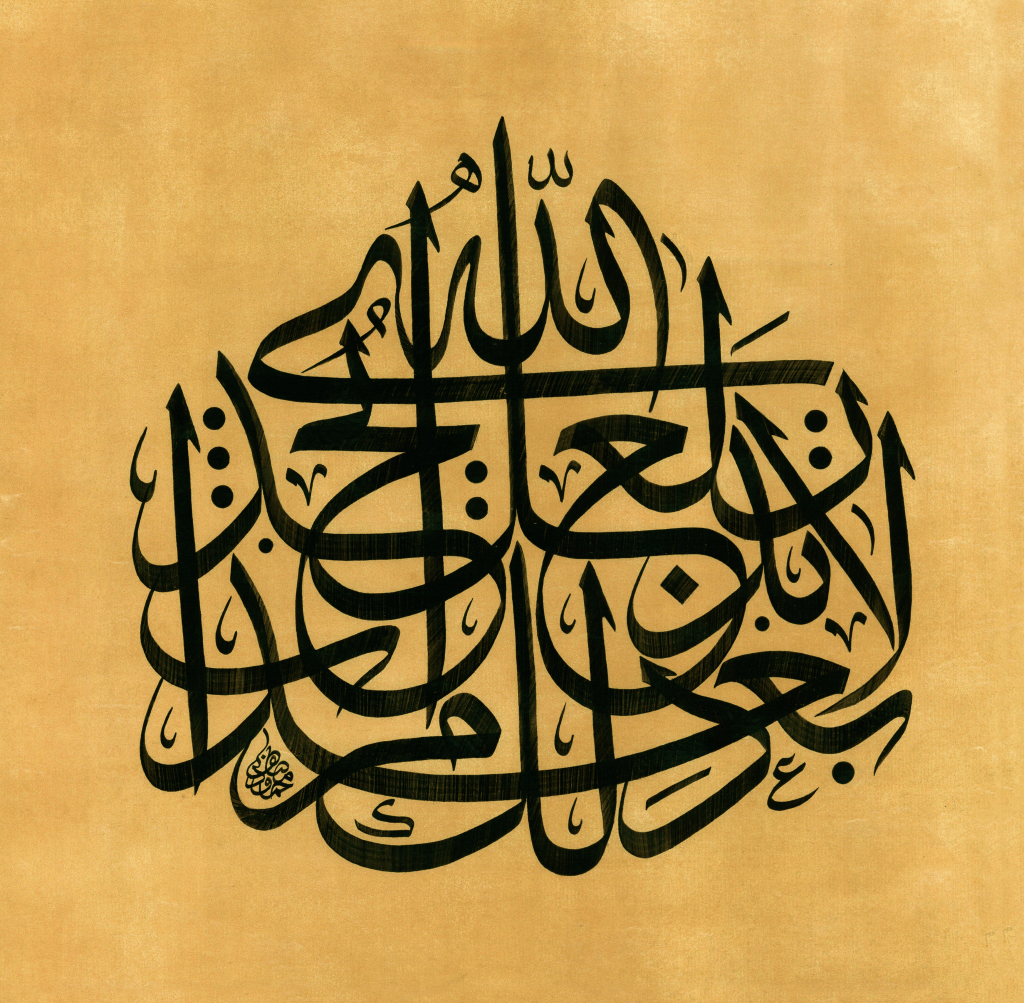
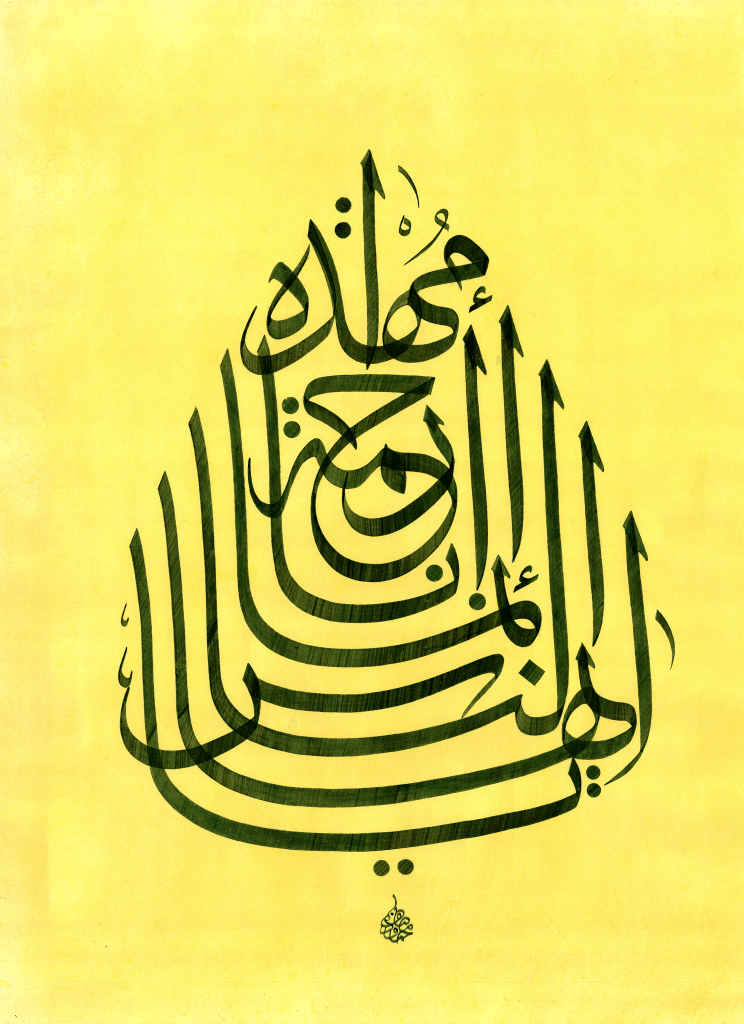
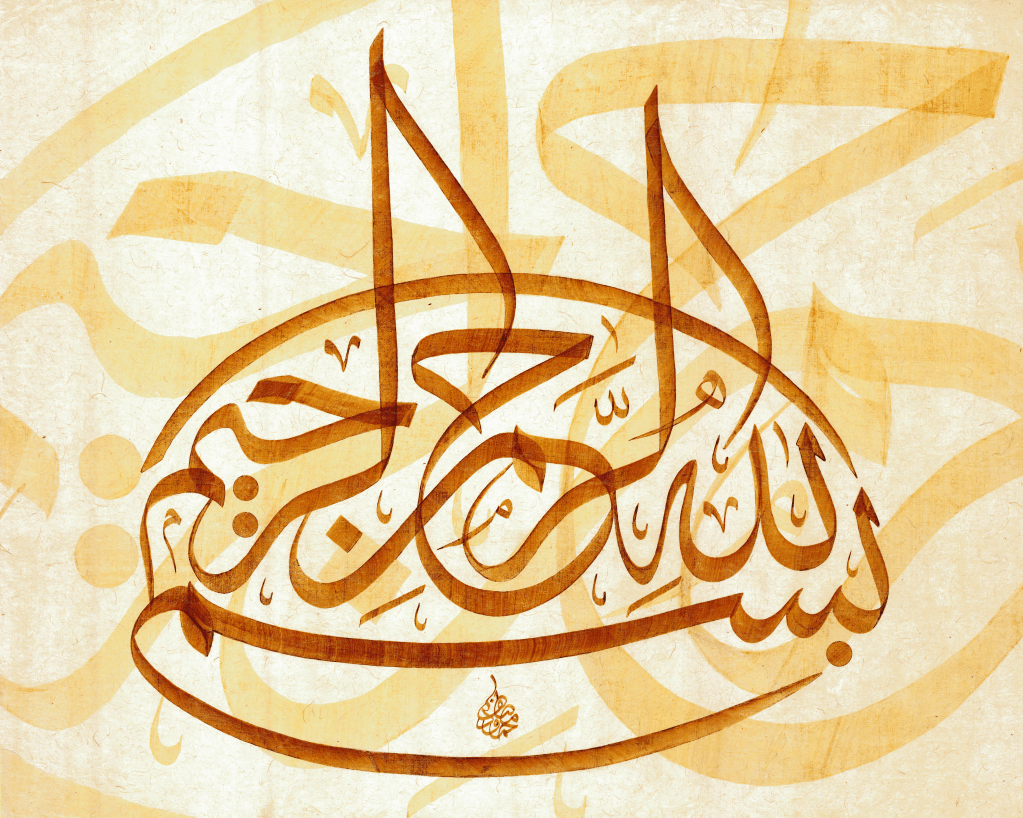
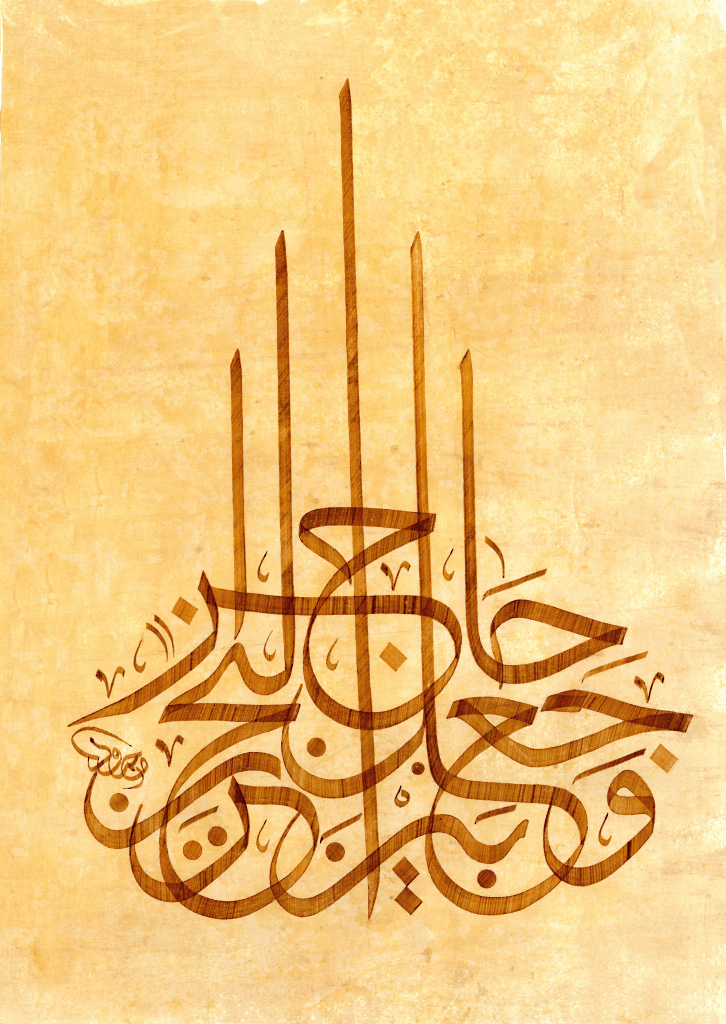
Arabic calligraphy is for Muslims not only an artistic activity, but also one of their way of worshipping. The different scripts and their rules were developed in close connection with the need to protect and transmit the Holy Quran in the best possible way.
The practice of Arabic calligraphy is fundamentally spiritual and aims to express the faith of the artist. But we also believe that everyone – believer or not – can be moved by traditional calligraphy work, as it reflects the beauty and perfection of the world.
Some of the classical artworks presented below have been rewarded or presented in international exhibitions.